

A couple of weeks ago, I visited an exhibit in Bassano del Grappa titled Olivetti: The Art of Communication. For those who don’t know who Adriano Olivetti was, think of him as the "Steve Jobs" of Italy’s mid-century era (1940s–60s). Olivetti is famous for his portable typewriters, but his true legacy lies in his role as a visionary—a pioneer who fused visual art, literature, and communication into the corporate sphere.
To Olivetti, business was never just about crunching numbers or optimizing processes. It was about creating an internal culture that gave back to the community, promoted artistic expression, and stimulated growth at every level. He built something designed to outlive his own lifetime, and his ideology continues to resonate in Italy and abroad.
Today, I want to share a few reflections on this exhibit. Business owners and entrepreneurs—take note!
The Valentine: Selling the Vision, Not the Product
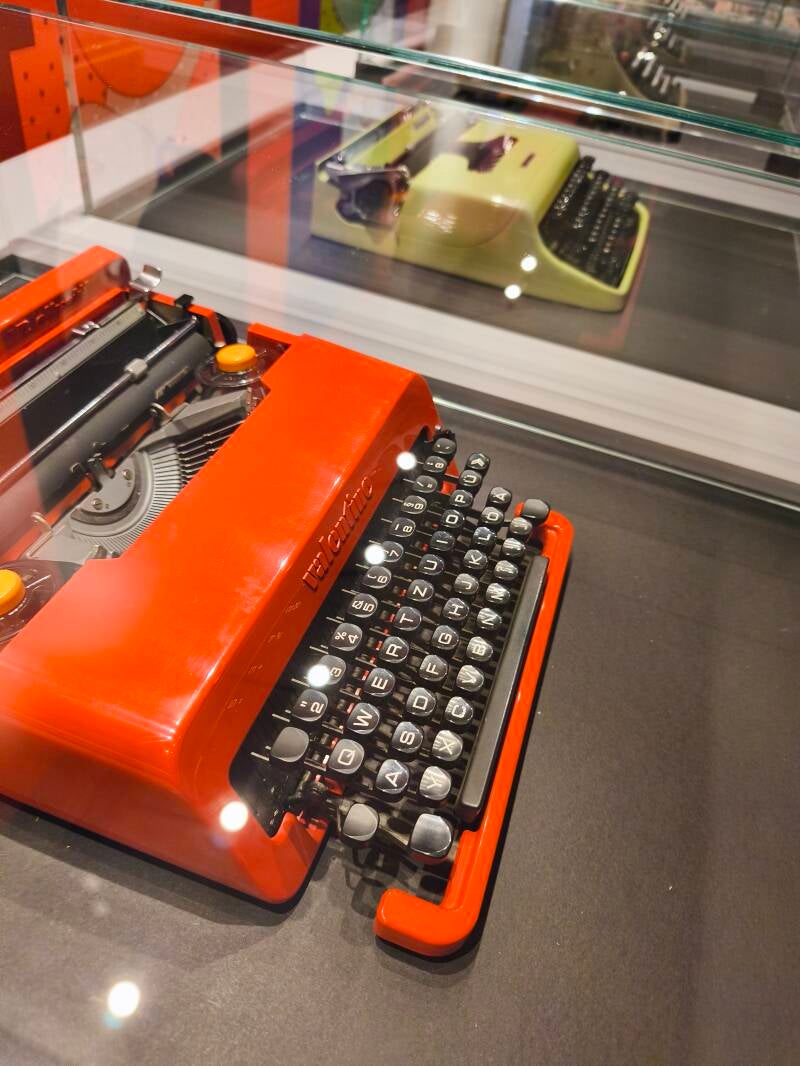
The first photo is of the Valentine, my favorite among the Olivetti typewriters. Olivetti didn’t just hire engineers; he collaborated with designers, artists, and poets of all ages to create an instrument that was as beautiful as it was functional.
He understood that the experience of writing shouldn't be limited to black-and-white text on a page. By focusing on the machine's aesthetics, its tactile feel, and its unique design, he ensured the person behind the typewriter felt a sense of "creative color." He wasn't just selling a tool; he was selling the identity of the person using it. He sold the vision, not the product.
The ‘Lettera Allo Studente’: Radical Empathy
This brings me to the second photo: the Lettera allo Studente (Letter to the Student).
Think about the last time you bought a new computer or appliance. Did you read the user manual? Probably not. And if you did, was it engaging? Likely not. Most are technical, dry, and poorly formatted.
Olivetti was light-years ahead of his time. When a student purchased a typewriter, it didn't just come with a manual; it came with a personal letter from Adriano himself. He bypassed the superficial technicalities to speak directly to the emotions and aspirations of his young users. He motivated them, taught them the power of the tool in their hands, and—in a brilliant move of word-of-mouth marketing—encouraged them to discuss the benefits of modern technology with their families.
Most importantly, he asked for feedback. He invited them to share their questions and, crucially, to tell him what needed improvement. That is the definition of humble, sincere leadership—and it is exactly what you need if you want your business to grow and last.
Beyond the letter, even his instruction manuals were works of art. He didn't hire standard copywriters; he hired poets who knew how to touch the reader's emotions. He didn't use cold technical drawings; he commissioned illustrators to create playful, colorful visuals that resonated with a younger demographic.
The Takeaway
What I’ve shared is only a fraction of what Olivetti achieved. His vision of business as a community-centric force was far ahead of its time. Whether you are a business leader or simply looking for inspiration in your daily workflow, there is so much we can learn from his mindset.
If you could change one thing about your business or your daily workflow to reflect the "Olivetti way" of doing things—focusing on human connection and creativity—what would it be?

Crea il tuo sito web con Webador